
Traumatic Incident Reduction · Integrated wellbeing
Trauma Recovery Sessions in Hampstead, London.
A structured, person-led approach to processing what hasn't yet resolved.
Traumatic Incident Reduction (TIR) is a structured, trauma-informed method designed to safely process unresolved experiences and reduce the emotional charge connected to them. Delivered by a specialist-trained facilitator within the wider physiotherapy and whole-person care at SF Studios.
Free
15-minute consultation
4
Session programme
10–14
Days · focused container
90 min
Typical session
In person
Or Zoom
Understanding
What is trauma, and how can it show up?
Many people associate trauma with catastrophic events or major life-threatening experiences. But trauma is not defined by the size of the event itself.
Sometimes people know exactly what caused it. Sometimes they simply know something still does not feel resolved.
Trauma may come from:
- Difficult relationships or childhood experiences
- Emotional neglect, bullying or shame
- Grief, loss or bereavement
- Medical procedures, accidents or injury
- Chronic stress or prolonged conflict
- Experiences of feeling trapped, powerless or unsafe
How unresolved trauma may show up:
- Anxiety, hypervigilance, or an inability to fully rest
- Emotional overwhelm or numbness, or swinging between the two
- Chronic stress, exhaustion, or persistent physical tension
- Difficulty trusting others, or recurring conflict in relationships
- Overworking, overthinking, or compulsive patterns you can't switch off
- Repeating the same patterns despite sustained effort to change
Worth noting:When experiences remain unresolved, the nervous system may continue responding as though the threat is still present, even years later. Many people spend years managing symptoms without realising unresolved emotional experiences may still be sitting underneath them.

The method
What is Traumatic Incident Reduction?
Traumatic Incident Reduction (TIR) is a structured, person-centred and trauma-informed method, grounded in applied metapsychology, a scientifically developed framework that has been tested, validated and internationally recognised for its safety and effectiveness. It's designed to help reduce the emotional charge connected to unresolved experiences.
The process works by allowing a person to safely revisit past experiences within a calm, non-judgemental and highly structured environment, helping the nervous system gradually process what has remained unresolved.
Unlike many traditional therapeutic approaches, in TIR you are not analysed, interpreted, judged or advised on how you “should” feel. Insight, awareness and resolution emerge naturally from you, which is why the shifts often feel deeply integrated and personally meaningful.
A core part of the method involves calmly revisiting experiences more than once. This repetition is intentional, designed to help reduce emotional intensity over time and allow different layers of the experience to be processed safely. Each session works towards what is known as an “end point” - a clear felt shift where the experience feels more complete, the nervous system more settled, and attention naturally moves from the past back into the present moment.
- 4
- Average sessions for full resolution
- 10–14
- Days for the complete process
- 90 min
- Typical session duration
Structure
How a session is structured.
TIR is not a conventional therapy hour. Sessions don't follow a rigid 50-minute format. Instead, each session continues until a natural end point is reached, so you don't leave feeling emotionally exposed or mid-process. The first session typically lasts 60 to 120 minutes; subsequent sessions, 40 to 90 minutes.

Before we begin
Suz will guide you through the process fully before any deeper work starts, including how sessions work, what to expect, and the role both you and she will play. Sessions require you to feel alert and grounded. Clients are encouraged to arrive well rested, nourished, and free from alcohol or non-essential substances. Nothing begins until you feel informed, comfortable and ready.

Opening each session
Each session begins with a check-in to identify whether anything is currently pulling your attention or needs addressing first, so that when the main work begins, your focus is free for it.

The viewing process
You'll be guided through past experiences, emotions or patterns in a calm, structured and non-judgemental way. Some questions and prompts are repeated intentionally. This gentle unlayering allows different layers of the experience to emerge over time, reducing emotional intensity and creating new clarity. You are always in control of what you share. You will never be pressured to discuss anything you're not ready for.

Reaching an end point
Each session continues until a natural end point is reached: a moment where the nervous system feels more settled, the experience feels more complete, and attention naturally shifts back toward the present. Clients often describe feeling lighter, calmer, clearer or more grounded afterwards.
Session ends only when complete, not by the clock

Between sessions
Reflection and processing are a natural part of TIR. Between sessions, many clients feel drawn to journal, walk, rest or sleep more deeply. Some notice shifts in how they feel, think or respond in daily life as the process unfolds.
Confidentiality & safety
Sessions are conducted within a confidential, structured and emotionally safe environment. You are never pushed, judged or coerced at any stage of the process.
What clients experience
What clients experience
Every person's experience is different, but clients often report the following, many describe a sense of freedom from patterns, responses or emotional states that previously felt automatic.
- Feeling calmer and more grounded
- Reduced emotional reactivity
- Less anxiety and overwhelm
- Improved relationships
- Greater emotional resilience
- Improved self-awareness
- Feeling more present and connected
- Greater capacity to move forward
Booking
The full programme.
TIR is offered as a structured four-session programme, designed to be completed within a focused period of 10 to 14 days. This concentrated approach supports continuity and gives the nervous system the conditions it needs to complete the process without interruption.
Most popular
Traumatic Incident Reduction · Full Programme
£1050
- 4 sessions, each typically 90 minutes (some may run longer depending on where you are in the process)
- Typically completed over 10 to 14 days
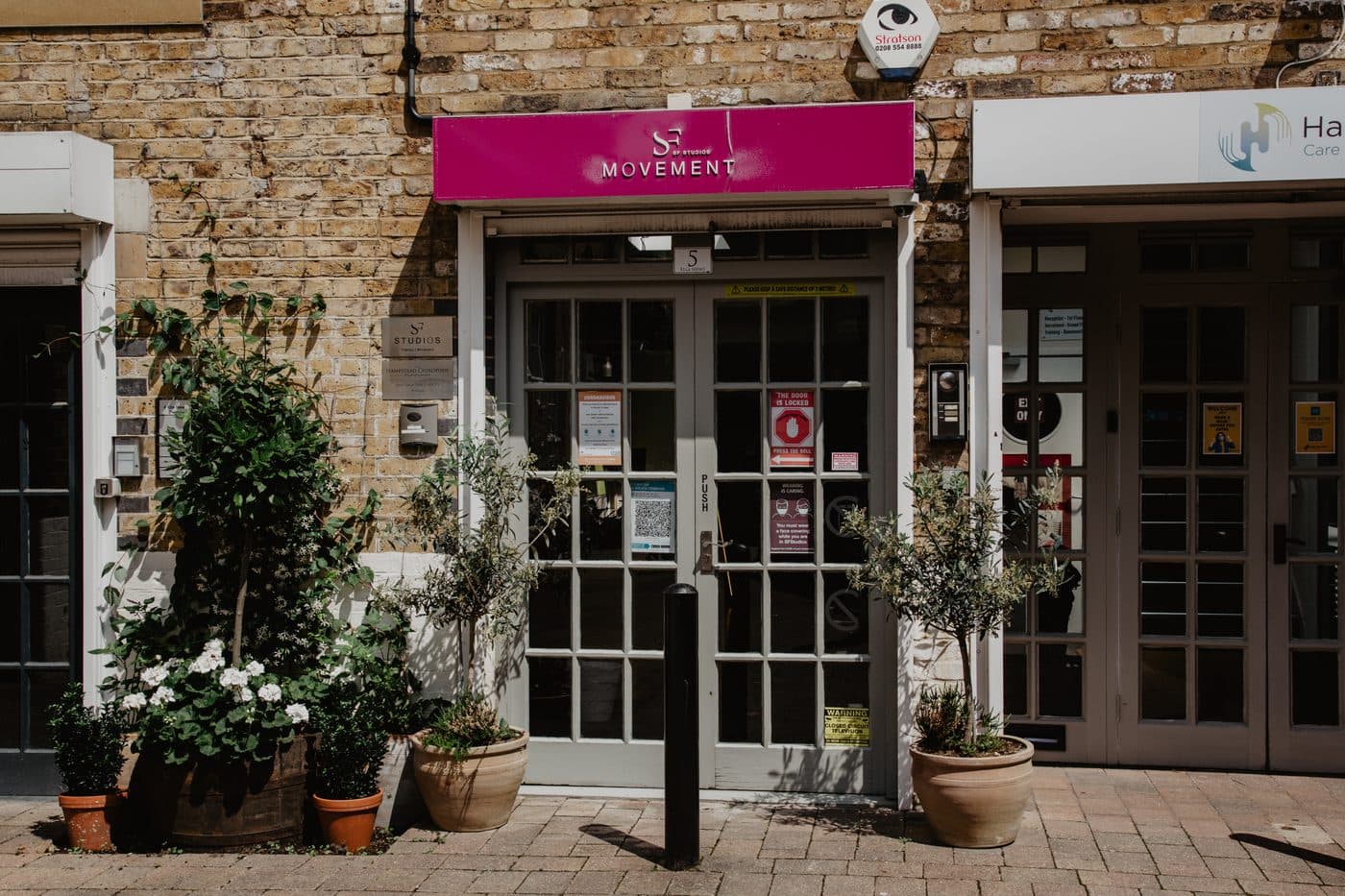
- In person at SF Studios, 5 Ella Mews, Hampstead NW3 2NH
- Also available online via Zoom
- Delivered by Suzanne Ferreira, TIR Facilitator
Full 4-session programme · payment taken on booking
Who you'll be working with

Suz Ferreira
Physiotherapy · nervous system work · movement · whole-person wellbeing
Suzanne Ferreira is a Physiotherapist (BPhysT), Movement Specialist (APPI), Co-Active Coach (ACC) and Founder of SF Studios London. Renowned for her ability to see beyond the obvious, she helps people uncover their potential, restore confidence and create lasting transformation.
Suz creates a calm, compassionate and highly structured environment where clients feel safe, heard and supported throughout the process.
Common questions
Frequently asked questions
I've had therapy before. How is TIR different?
Many clients seeking TIR have previously engaged in therapy, counselling or other forms of emotional support and found them valuable, yet still felt that certain experiences remained unresolved. TIR differs from traditional talking therapy. Rather than focusing on analysis, interpretation or coping strategies, the process is designed to help the nervous system safely process and release unresolved emotional charge. Clients often describe experiencing a greater sense of clarity, resolution and freedom, rather than simply learning to manage symptoms.
What if I'm not sure I have trauma?
Trauma is not always linked to one clear or dramatic event. Sometimes it presents more subtly through chronic stress, anxiety, emotional reactivity, burnout, relationship patterns, physical symptoms, hypervigilance, or a persistent feeling of being stuck or unsafe. An initial consultation will help explore whether TIR feels appropriate and supportive for your needs.
Will I have to disclose things I would rather keep private?
No. You will never be pushed to share anything you are not ready to share, and the process always moves at your pace. The facilitator's role is not to direct or interpret your experience, but to provide a structured, safe and non-judgemental space for processing to occur. If something does not feel right during a session, you are encouraged to say so immediately and the session will adapt accordingly.
Am I at risk of being re-traumatised?
Safety is central to the structure of TIR. Sessions are carefully facilitated and always work towards a natural stopping point, ensuring you do not leave feeling emotionally exposed or overwhelmed. The process is designed to reduce emotional charge through safe, structured revisiting, not through forced exposure. Sessions will only proceed once you feel fully informed and comfortable.
How will I know if the process is working?
The shifts experienced through TIR are often felt rather than intellectual. Clients commonly describe feeling calmer, lighter, clearer, more grounded, or less emotionally reactive to experiences that previously felt overwhelming. Many also notice changes in relationships, stress responses, physical tension, confidence and overall wellbeing in the days and weeks following sessions.
Is TIR suitable for everyone?
TIR is appropriate for many people experiencing unresolved emotional stress or trauma-related patterns. However, it may not be suitable for everyone. The initial consultation is designed to help determine whether this approach feels safe, appropriate and supportive for your individual needs. Where needed, appropriate alternative or additional support will always be recommended.
Read more
Two further pages, if you'd like to go deeper.
How TIR works in practice
The principles that guide each session, the glossary of terms you'll encounter (end point, unlayering, flows), and what makes this approach distinct from other therapies.
Read about the methodWhat is trauma? - by Suz Ferreira
A longer article on trauma and PTSD: what trauma actually is, how the nervous system responds, and why insight and effort alone are sometimes not enough.
Read the articleBegin with a conversation.
You do not need to have everything figured out before reaching out. For many people, the first step is simply recognising that something may still feel unresolved, emotionally, physically or within the nervous system itself.