
Why Chronic Pain May Not Originate in Your Body (Yet Feels Very Real)
What to Do When Pain Persists Despite Clear Tests
You’ve had all the tests, scans, and physical therapy, but the pain won’t go away. It’s making your career, relationships, and life in general worse. You’re not alone; up to 85% of persistent back pain sufferers have no obvious anatomical reason. So, what’s actually happening?
The answer might be in your head, not your body. Let’s dive into the interesting world of Tension Myoneural Syndrome (TMS), a scientifically-backed mind-body disorder.
The Brain-Body Connection: Why TMS Is a Real Problem
Tension Myoneural Syndrome, often known as Mind-Body Syndrome, is a condition in which emotional tension causes real physical discomfort. TMS is very important because it is:
- Backed by research
- Accepted by doctors
- Common in those who are under a lot of stress
TMS is not made up, not a sign of weakness, and definitely not “just stress.” Instead, it’s your Autonomic Nervous System (ANS) responding subconsciously to emotional tension
Try This Quick Mind-Body Scan (2 Minutes)
- Sit in a comfortable position and take three deep breaths.
- Look at your whole physique from head to toe.
- Find any tense spots and ask yourself, “What emotion might I be holding on to here?”
This easy exercise helps you notice how your emotions affect your body, which can help you relax and let go of stress.
How Your Beliefs Affect Your Biology: The Whiplash Study
In Denmark, small automobile accidents often cause whiplash, which can take a long time to heal and cause discomfort that doesn’t go away. In Lithuania, people don’t usually get diagnosed with whiplash after minor incidents, and they easily go back to their normal lives without any residual symptoms.
What makes the difference so big? Because what you expect affects what happens. The nocebo effect is what this phenomena is called. It shows how bad expectations can turn into pain in the body.
Why Your MRI Might Be Misleading
Even if a person isn’t in pain, MRI scans often show “issues” such disc bulges or degeneration:
- About half of healthy 30-year-olds have bulging discs.
- About 85% of healthy 60-year-olds have disc degeneration.
These results are usually normal symptoms of ageing, such wrinkles, and not always signs of pain.
Quick Exercise: Shift Your Perspective (3 Minutes)
- Write your current diagnosis (e.g., chronic fatigue, fibromyalgia).
- Write “TMS (Mind-Body reaction)” next to it.
- Think about how this new term makes you see things differently.
This can help calm your nerves and make you feel better emotionally.
Why Repressed Emotions Increase Your Pain
When you try to avoid your feelings, your physical symptoms typically get worse. This is how:
- You hide an unpleasant feeling, like wrath, despair, or fear.
- Your nervous system reacts by making your muscles tense up and cutting off blood supply.
- You endure discomfort, weariness, or numbness.
- Painkillers could make the pain less intense for a short time, but they don’t fix the emotional problem that caused it.
Whole-Self Integration for Real Relief
To deal with chronic pain, you need to deal with several parts of your life:
- BODY: Muscle tension, chronic pain, fatigue
- HEART: Emotional trauma, suppressed feelings
- HEAD: Anxiety, beliefs, subconscious fears
- HEALTH FOUNDATION: Stress management, sleep, nervous system balance
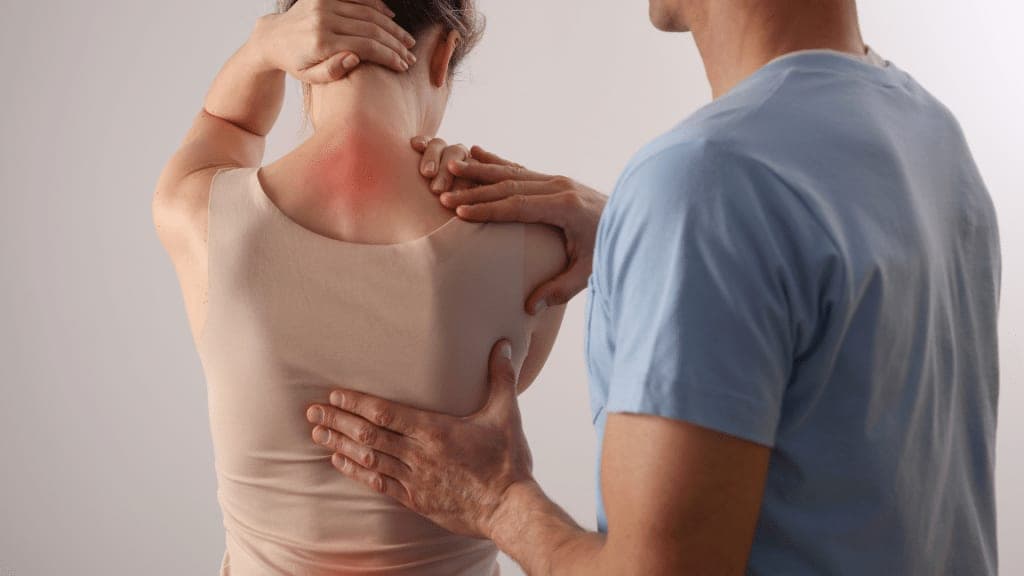
Important Things to Know About Dealing with Chronic Pain
- TMS is real and can be undone.
- Emotional stress can show up as chronic pain in the body.
- Your beliefs and mindset have a big effect on how you heal. Pain frequently means you need to reconnect with your feelings, not just rest your body.
- True rehabilitation entails retraining your brain, not merely treating your body.
Want to retrain your brain and feel better?
Our community at Authentik Wellness offers:
- Short, daily wellness activities
- Courses on emotional release and neuroplasticity
- Fun support groups and tools to keep track of progress
Want to Know Which Area Needs Attention First?
Take our quick consultation to obtain individualised assistance.
Book Assessment Now