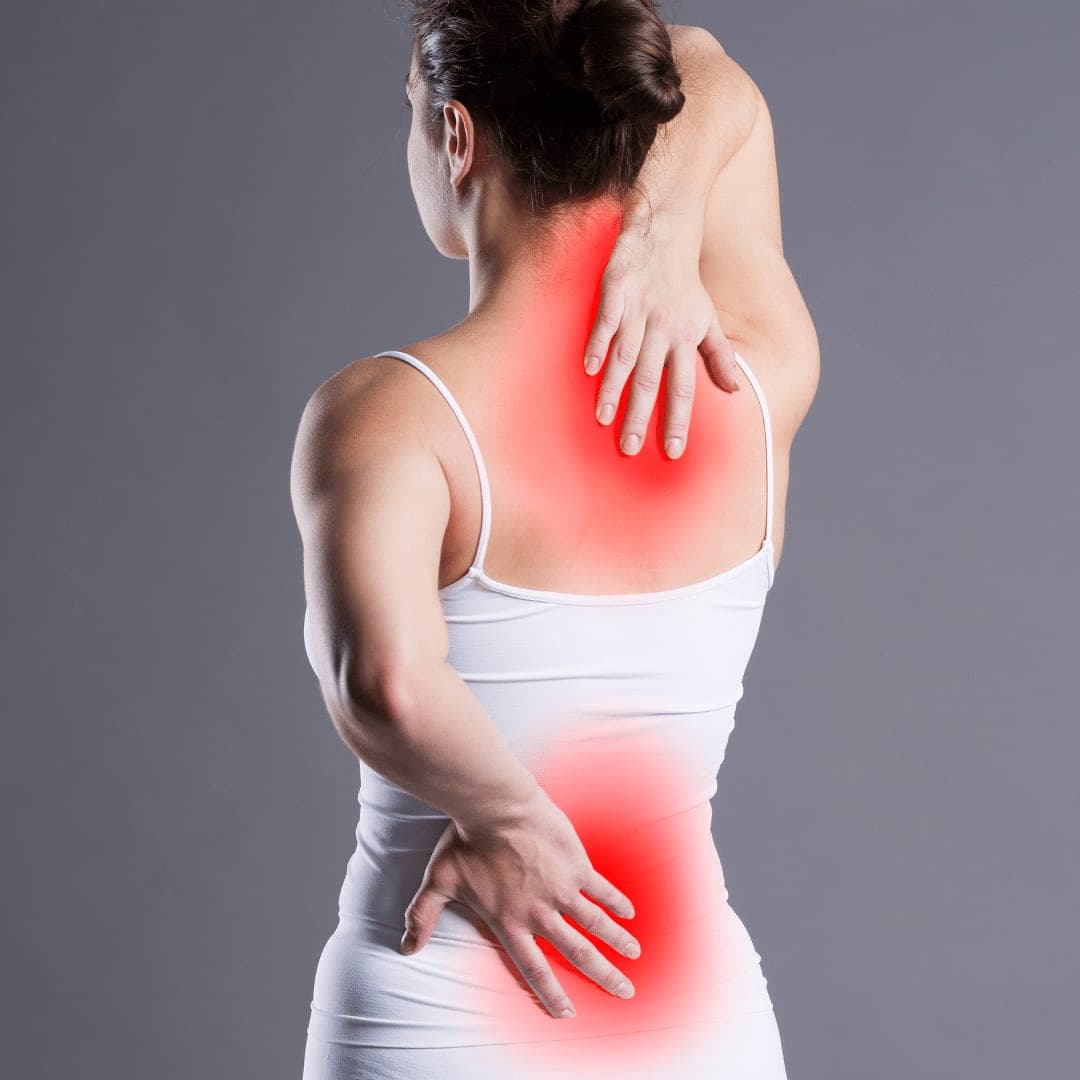
Chronic Pain Without a Clear Cause? It Could Be MindBody Syndrome (TMS)
We at SF Studios London know that your body, heart, and mind are all interrelated. If you have persistent pain and medical scans indicate “nothing wrong,” the problem might be with your nerve system, not your tissues.
This is where Tension Myoneural Syndrome (TMS) comes in. It’s a medically recognised condition that is also known as MindBody Syndrome (MBS) or psychosomatic pain. It’s not made up. It’s not “just stress.” It’s a real condition that can be fixed, and it shows up in the body when you’re stressed out.
Typical TMS Symptoms
TMS can look like a lot of long-term conditions, such as:
- Lower back pain
- Fibromyalgia
- TMJ and face pain
- Chronic fatigue syndrome
- IBS and bladder pain (Interstitial Cystitis)
- Migraines and chronic headaches
- Carpal tunnel symptoms
- Regional pain syndromes
These are commonly identified as functional diseases, which means that the person has true symptoms but no visible damage to their body.
Your Symptoms Are Real: Why TMS Isn't "In Your Head"
TMS causes real discomfort and problems, even when tests show that nothing is “wrong.” It is not: A mental disease
- A made-up condition
- A display of weakness
- “Just anxiety”
TMS is how your autonomic nervous system (ANS) responds to stress, trauma, and keeping your feelings to yourself. Your brain is trying to keep you safe by sending signals across your body.
The MindBody Pain Epidemic: Why Getting a Diagnosis Is Important
Putting a name on your ailment can help or hurt your recovery. A diagnosis can:
- Confirm your suffering and provide you a way to become better Connect you with networks that can help you
- Make you more afraid and dependent on drugs
- Make you feel like you are always “sick”
Change your designation from “incurable” to “recoverable.” TMS is not a sentence; it is your body’s language.
The Whiplash Study: How What You Believe Affects Your Pain
This was shown in a well-known study that looked at people from different cultures:
- Denmark: Small vehicle accidents typically cause whiplash, panic, and extended recoveries.
- Lithuania: Same crashes, but no diagnoses, no warnings, and no long-term symptoms.
The nocebo effect (fear + expectation) causes pain, just like the placebo can make it go away. What your brain believes is important.
Medical Imaging: Are MRIs Making Mistakes?
People with no discomfort at all often have disc problems that show up on MRIs:
- 40% of people in their 30s have bulging discs
- 88% of people over 60 have disc degeneration
These are like wrinkles on the inside, not always bad. Imaging does not explain most persistent pain.
- Use MRI for: tumours, infections, fractures, or significant instability.
- Don’t use MRI to figure out why your back hurts all the time.

The Autonomic Nervous System (ANS) and How It Causes Pain
Here’s how stress may make you feel physically:
- Stress that you are aware of or not can trigger your ANS.
- Vasoconstriction (less blood flow) happens
- Muscles and neurones get less oxygen
- You experience discomfort, tiredness, or numbness
- Stress over a long time might cause symptoms in sections of the body that aren’t associated
Repressed feelings cause long-term stress, which turns into agony.
You already know several MindBody Responses:
- Blushing when you’re embarrassed
- Getting a headache after a hard day
- Feeling tired after emotional stress
TMS is the long-term equivalent of these normal reactions—it’s what your body says when your mind doesn’t want to.
A Holistic Approach Is Needed for Recovery
TMS affects every area of you:
- BODY (Roots): Pain, tiredness, and tight muscles
- HEART (Plant): Trauma, fear, and feelings that are kept inside
- HEAD (Sky): Thoughts, worries, and things that make you feel bad without you knowing it
- HEALTH FOUNDATION (Soil): Sleep, balance of the nervous system, and self-identity
Key Takeaways
- TMS is genuine and accepted
- Stress can make you feel bad physically.
- MRIs don’t always show discomfort.
- Fear and beliefs affect healing.
- Relearning how to think is the way to get better.
Ready to try a new way of healing?
Join one of our TMS rehabilitation programs and learn to connect with your body in a new way:
- Neuro-Pain Reset Course
- Videos for Somatic Release
One-on-one MindBody Coaching Sessions
“Symptoms are real.” But the root may not be where you believe it is. — Dr. Howard Schubiner